



other families
-
- Archidendron jiringai> (11)
- Hernandia nymphaeifoliai> (C. Presl) Kubitzki (6)
- Calophyllum brasiliensei> auct. non Camb. (5)
- Lichen (5)
- Drimys winterii> J.R.Forst. & G.Forst. (4)
- Dianthus rupicolai> Biv. (3)
- Eurycoma longifoliai> Jack (3)
- Galbulimima belgraveanai> (F.Muell.) Sprague (3)
- Convolvulus subhirsutusi> (2)
- Diospyros virginianai> L. (2)
- Hernandia sonorai> Linn. (2)
- Hypericum carinatumi> (2)
- Macaranga trilobai> (2)
- Osmanthus fragransi> var. aurantiacusi> Makino (2)
- Palaquium waxi> (2)
- Pterocaulon alopecuroidesi> (2)
- Stauranthus perforatusi> (2)
- Tasmannia lanceolatai> (Poir.) A.C.Sm. (2)
- Torricellia angulatai> var. intermediai> (Harms) Hu (2)
- Brown seaweed (2)
- Lyngbya majuscule (2)
- Red seaweeds (2)
- Anisophyllea dichostylai> R. Br. (1)
- Aphananthe asperai> (Thunb.) Planch. (1)
- Artemisia douglasianai> (1)
- Basella albai> L. (1)
- Boswellia freeranai> (1)
- Calopbyllum trapezifoliumi> THw. (1)
- Caput nigrii> (1)
- Casuarina equisetifoliai> L. (1)
- Casuarina strictai> (1)
- Celtis biondiii> Pamp. (1)
- Conocephalum conicumi> (L.) Dumort. (1)
- Dicranopteris linearisi> (Burm. f.) Underw. (1)
- Docyniopsis tschonoskii> (1)
- Ecklonia kuromei> (1)
- Eisenia bicyclisi> (1)
- Eleutherine americanai> Merr. (1)
- Galbulimima baccatai> (1)
- Helenium microcephalumi> (1)
- Helwingia chinensisi> Batalin (1)
- Kandelia candeli> (Linn.) Druce (1)
- Laurencia microcladiai> (1)
- Laurencia similisi> (Ceramiales) (1)
- Macvicaria ulophyllai> (Steph.) S. Hatt. (1)
- Microlepia speluncaei> (L.) Moore (1)
- Oleandra wallichiii> (Hook.) C. Presl (1)
- Oplismenus burmanniii> (1)
- Paulownia coreanai> UYEKI (1)
- Petilium raddeanumi> (1)
- Peumus boldusi> Molina (1)
- Phyllocladus alpinusi> (1)
- Phyllospadix iwatensisi> Makino (1)
- Plagiochila bifariai> (Sw.) Lindenb. (1)
- Plagiochila gracilisi> Lindenb. & Gottsche (1)
- Pseudocinchona africanai> A. Chev. (1)
- Randonia africanai> Coss. (1)
- Ryania speciosai> (1)
- Salvia syriaca i>L. (1)
- Sceletium strictumi> (1)
- Smyrnium olusatrumi> L. (1)
- Symphyocladia latiusculai> (1)
- Tamarix niloticai> (Ehrenb.) Bunge (1)
- Vauquelinia corymbosai> (1)
- Vepris punctatai> (1)
- Ishige okamurae (1)
- Padina australis (1)
-
other families (1676)

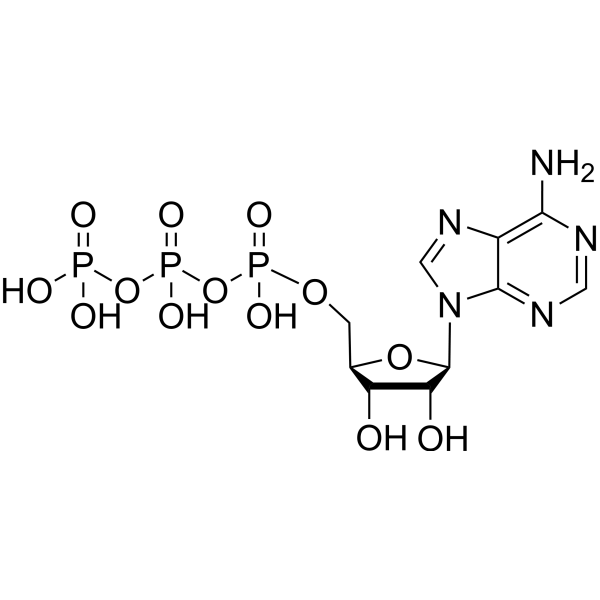
- Formel: C10H16N5O13P3
- Molecular Weight: 507.18
ATP (Adenosine 5'-triphosphate) is a central component of energy storage and metabolism in vivo. ATP provides the metabolic energy to drive metabolic pumps and serves as a coenzyme in cells. ATP is an important endogenous signaling molecule in immunity and inflammation. ATP can activate the NLRP3 inflammasome and induce IL-1β and chemokines secretion. ATP has anti-bacterial infection effects and can protect mice against bacterial infection in mice.
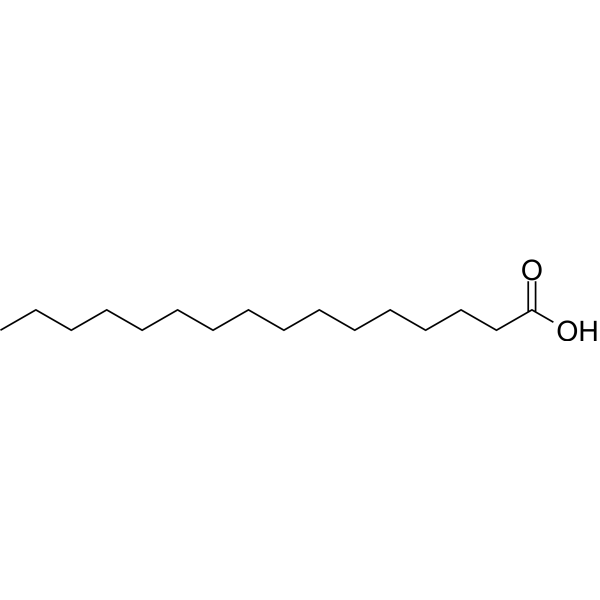
- Formel: C16H32O2
- Molecular Weight: 256.42
Palmitic acid is a long-chain saturated fatty acid commonly found in both animals and plants. PA can induce the expression of glucose-regulated protein 78 (GRP78) and CCAAT/enhancer binding protein homologous protein (CHOP) in in mouse granulosa cells. Palmitic acid is used to establish a cell steatosis model.
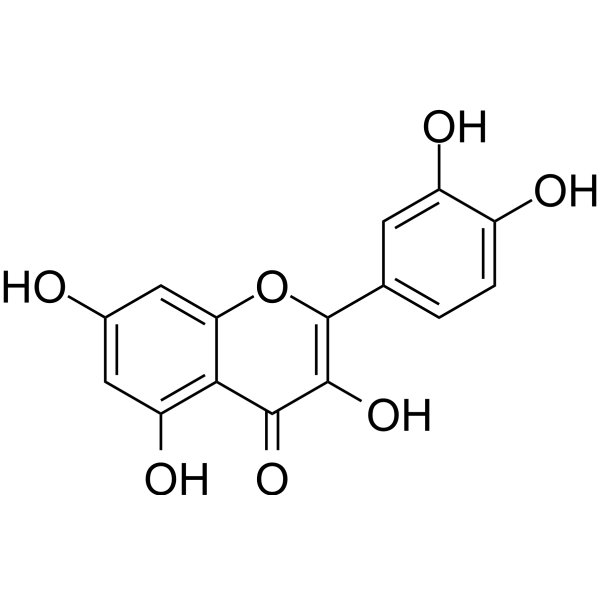
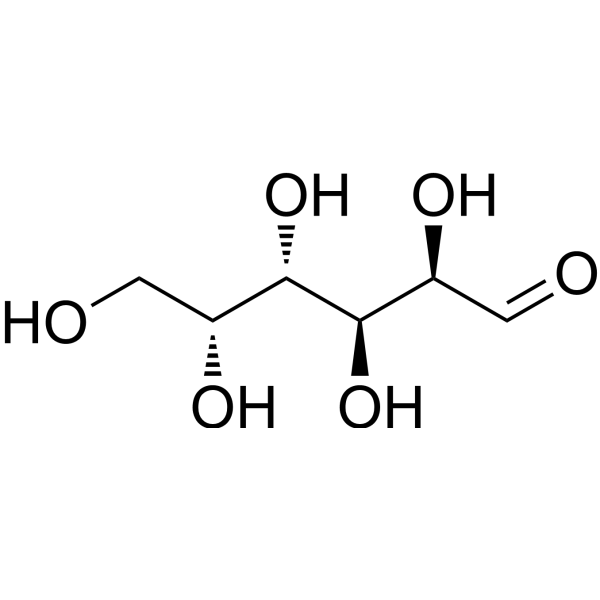
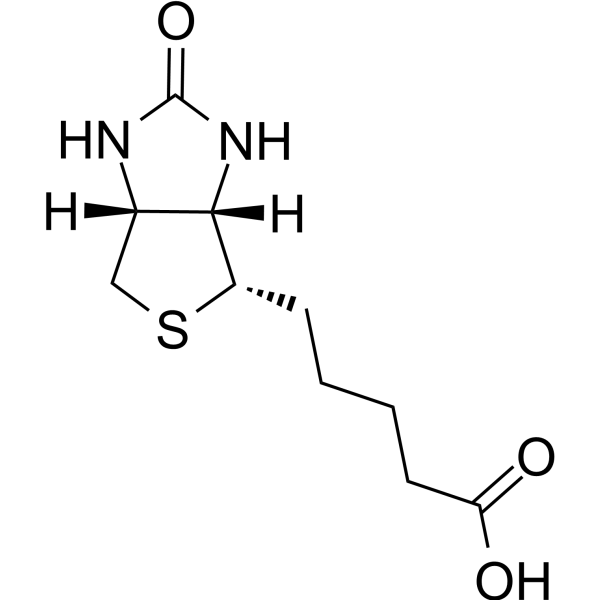
- Formel: C10H16N2O3S
- Molecular Weight: 244.31
Biotin, vitamin B7 and serves as a coenzyme for five carboxylases in humans, involved in the synthesis of fatty acids, isoleucine, and valine, and in gluconeogenesis. Biotin is necessary for cell growth, the production of fatty acids, and the metabolism of fats and amino acids.


- Formel: C22H26O5
- Molecular Weight: 370.44
(-)-Calanolide B is a non-nucleoside reverse transcriptase (NNRT) inhibitor with an IC50 of 0.5 mM against HIV-1 RT. (-)-Calanolide B inhibits the replication of HIV-1 IIIb/LAV. (-)-Calanolide B is applicable to research related to HIV-1 infection.

Alginate oligosaccharides (AOS) are orally effective linear oligosaccharides with anti-inflammatory, antioxidant and antimicrobial activities. Alginate oligosaccharides inhibit the activation of NLRP3 inflammasome and NF-κB, promote nuclear translocation of Nrf2 and phosphorylation of AMPK, and reduce the enhanced functional level of TRPV1. Alginate oligosaccharides improve oxidative stress, ROS production, mitochondrial bioenergetic dysfunction and gait impairment. Alginate oligosaccharides inhibit the release of neuropeptides; alter the structure and viscoelasticity of mucin matrix; disrupt bacterial and fungal biofilms; regulate gut microbiota; and exert anti-apoptotic effects.
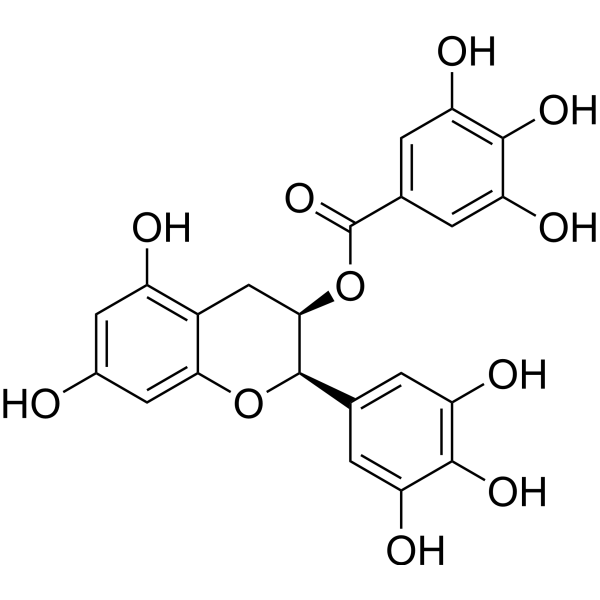
- Formel: C22H18O11
- Molecular Weight: 458.37
(-)-Epigallocatechin Gallate (EGCG) is a major polyphenol in green tea, which can inhibit cell proliferation and induce cell apoptosis. (-)-Epigallocatechin Gallate inhibits glutamate dehydrogenase 1/2 (GDH1/2, GLUD1/2) activity. (-)-Epigallocatechin Gallate has a potent anticancer, antioxidant and anti-inflammatory properties against various types of cancers such as colorectal cancer, myeloid leukemia, thyroid carcinoma.
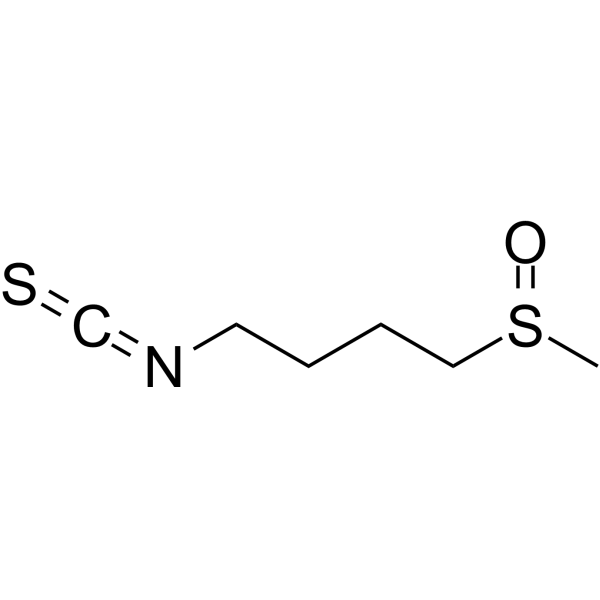
- Formel: C6H11NOS2
- Molecular Weight: 177.29
Sulforaphane is an orally active inducer of the Keap1/Nrf2/ARE pathway. Sulforaphane promotes the transcription of tumor-suppressing proteins and effectively inhibits the activity of HDACs. Through the activation of the Keap1/Nrf2/ARE pathway and further induction of HO-1 expression, Sulforaphane protects the heart. Sulforaphane suppresses high glucose-induced pancreatic cancer through AMPK-dependent signal transmission. Sulforaphane exhibits both anticancer and anti-inflammatory properties.
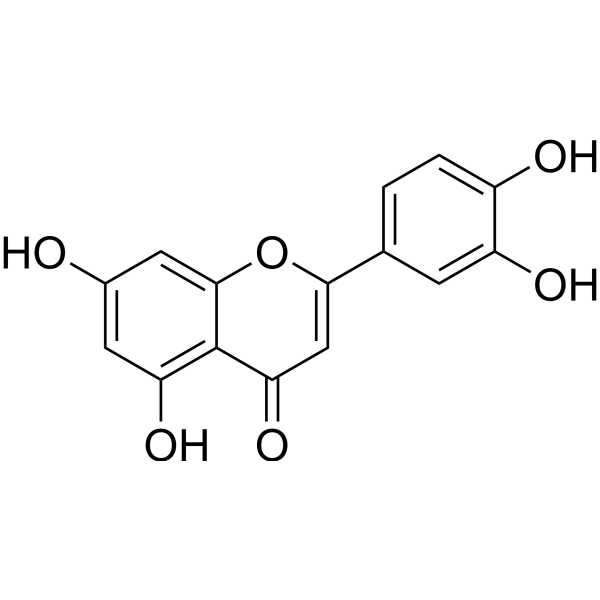
- Formel: C15H10O6
- Molecular Weight: 286.24
Luteolin (Luteoline), a flavanoid compound, is a potent Nrf2 inhibitor. Luteolin has anti-inflammatory, anti-cancer properties, including the induction of apoptosis and cell cycle arrest, and the inhibition of metastasis and angiogenesis, in several cancer cell lines, including human non-small lung cancer cells.
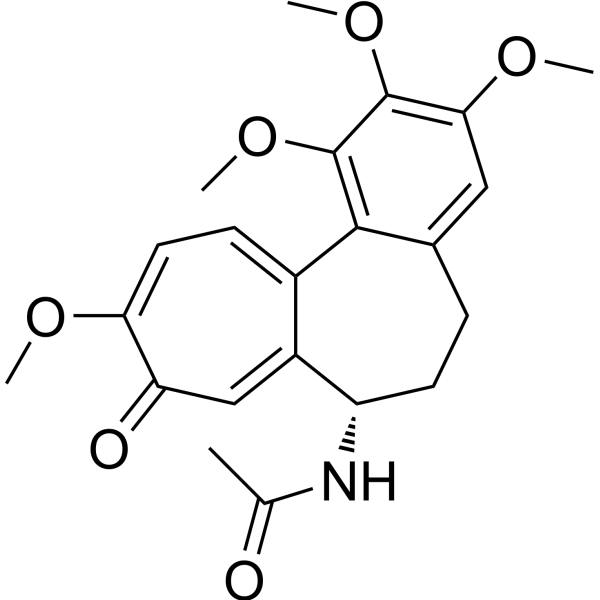
- Formel: C22H25NO6
- Molecular Weight: 399.44
Colchicine, an orally active alkaloid, is a potent tubulin inhibitor and a microtubule disrupting agent. Colchicine inhibits microtubule polymerization with an IC50 of 3 nM. Colchicine is also a competitive antagonist of the α3 glycine receptors (GlyRs). Colchicine prevents non-steroidal anti-inflammatory drug (NSAID)-induced small intestinal injury by inhibiting activation of the NLRP3 inflammasome. Colchicine has extensive anti-inflammatory, immunosuppressive and strong anti-fibrosis effects and has the potential for gouty arthritis research.
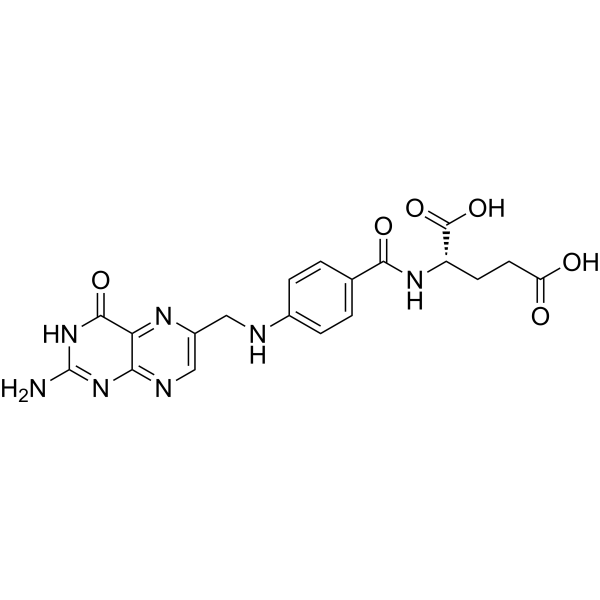
- Formel: C19H19N7O6
- Molecular Weight: 441.40
Folic acid (Vitamin B9) is a orally active essential nutrient from the B complex group of vitamins. Folic acid shows antidepressant-like effect. Folic acid sodium reduces the risk of neonatal neural tube defects. Folic acid can be used to the research of megaloblastic and macrocytic anemias due to folic deficiency.
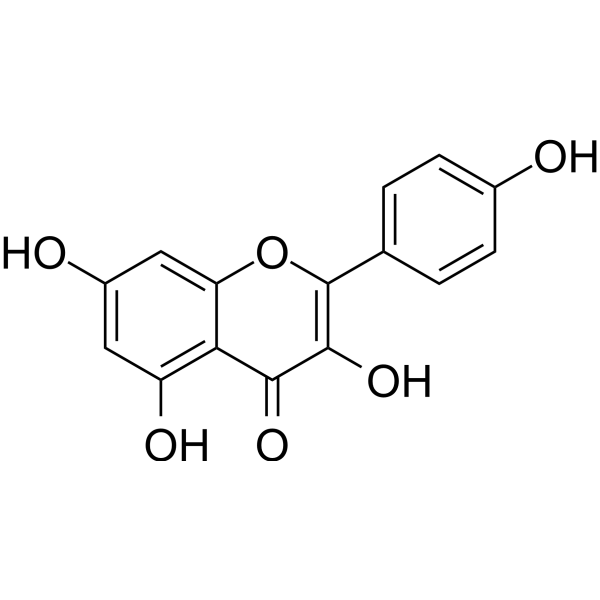
- Formel: C15H10O6
- Molecular Weight: 286.24
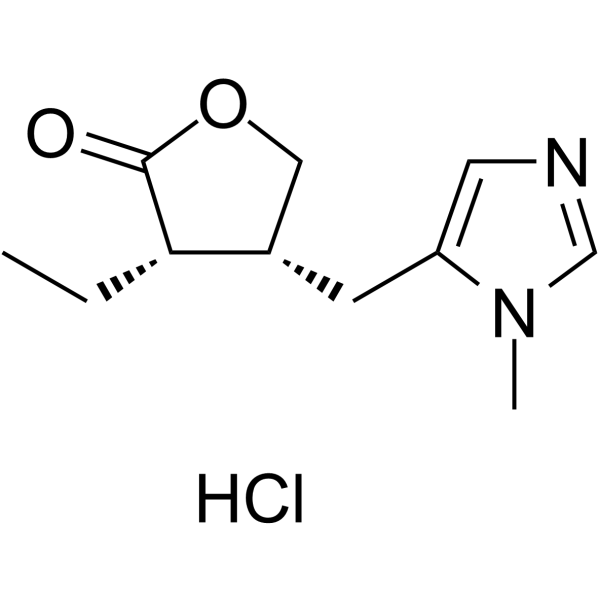
- Formel: C11H17ClN2O2
- Molecular Weight: 244.72
Pilocarpine Hydrochloride is a potent M3-type muscarinic acetylcholine receptor (M3 muscarinic receptor) agonist.
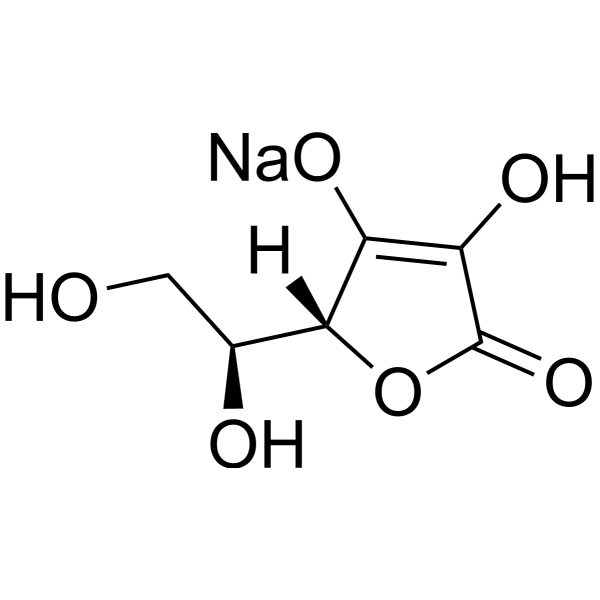
- Formel: C6H7NaO6
- Molecular Weight: 198.11
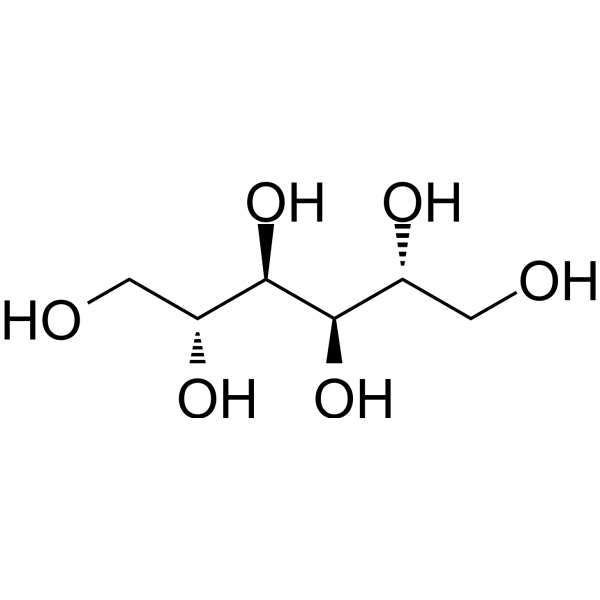
- Formel: C6H14O6
- Molecular Weight: 182.17
D-Mannitol (Mannitol) is an oral, resistant sugar widely used in the food and pharmaceutical industries to promote the absorption and retention of calcium and magnesium through cecal fermentation, while acting as a osmotic diuretic to reduce tissue edema. D-Mannitol can enhance brown fat formation, improve insulin effect, reduce blood sugar levels, And through the start the β3-adrenergic receptor (β3-AR), PGC1α and PKA induced by means of white fat cells into brown fat cells. D-Mannitol is commonly used to maintain osmotic pressure between the plant cytoplasm and the culture medium and protect cells when the cell wall is weakened or even removed.

- Formel: C5H11NO2
- Molecular Weight: 117.15
Betaine (Trimethylglycine) is a natural compound found in many foods and also an active methyl-donor which can maintain normal DNA methylation patterns[1,2]. Betaine is found ubiquitously in plants, animals, microorganisms, and rich dietary sources including seafood, spinach, and wheat bran. Betaine also acts as an osmolyte, to maintain the avian’s cellular water and ion balance to improve the avian’s capacity against heat stress via preventing dehydration and osmotic inactivation. It helps in maintaining the protective osmolytic activity, especially in heat-stressed birds. Betaine may promote various intestinal microbes against osmotic variations and thus improve microbial fermentation activity.
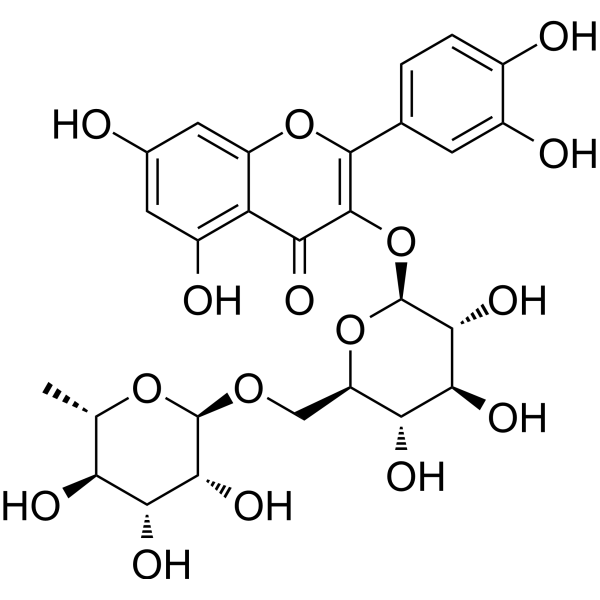
- Formel: C27H30O16
- Molecular Weight: 610.52
Rutin (Rutoside) is a flavonoid found in many plants and shows a wide range of biological activities including anti-inflammatory, antidiabetic, antioxidant, neuroprotective, nephroprotective, hepatoprotective and reducing Aβ oligomer activities. Rutin is also a CBR1 inhibitor, which can cross the blood brain barrier. Rutin attenuates vancomycin-induced renal tubular cell apoptosis via suppression of apoptosis, mitochondrial dysfunction, and oxidative stress.



